Simple Methods to Split Group Expenses Without Disputes
Introduction
Splitting group expenses can often lead to confusion and disagreements if not handled properly. Whether it’s a trip with friends, shared household bills, or a group project, figuring out who pays what can become a source of tension. Fortunately, there are simple methods to split group expenses fairly and transparently that help avoid conflicts. This article explores practical approaches to ensure smooth financial sharing among groups.
Set Clear Expectations from the Start
The first step in avoiding disputes is clear communication. Before incurring any group expenses, have an open conversation with everyone involved about how costs will be shared. Agree on the method of splitting—whether it’s equally, by usage, or income level—and clarify what expenses will be shared. Setting expectations early prevents misunderstandings and makes everyone aware of their responsibilities.
Keep Detailed Records of Expenses
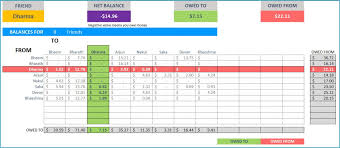
Maintaining clear and accurate records of all group expenses is crucial. Each expense should be documented with details like the amount, date, who paid, and who benefits. This transparency helps group members track payments and outstanding balances. You can use a simple spreadsheet or leverage group expense apps designed to record and organize shared costs efficiently.
Equal Split Method
One of the easiest and most common ways to Split Group Expenses is dividing the total cost equally among all members. This method works best when everyone uses or benefits from the expense equally, such as splitting rent or shared meals. The equal split method is straightforward and usually accepted by most groups, minimizing chances of dispute.
Usage-Based Split
Sometimes, costs need to be split based on individual usage or consumption. For example, utility bills or travel expenses might be shared according to who used what. In this case, track each person’s usage and calculate their share accordingly. This method is fairer in situations where usage varies significantly and prevents members from feeling they are paying more than they should.
Income-Based Split
For groups where members have varying financial capacities, an income-based split might be the most equitable. Members contribute in proportion to their earnings, making it easier for everyone to manage their share comfortably. This method requires honest disclosure of income and mutual agreement to avoid disputes over fairness.
Use Group Expense Apps
Technology can simplify splitting expenses and avoid conflicts. Several apps are designed specifically for managing group expenses, allowing members to add costs, assign shares, and track payments in real time. These apps often send reminders and generate clear summaries, reducing confusion and the need for constant manual calculations.
Regular Settlements and Payments
To prevent debts from piling up, it’s important to settle expenses regularly rather than waiting until the end of a trip or project. Frequent settlements keep the group’s financial status clear and manageable. Encourage members to pay their share promptly to maintain trust and avoid awkward situations.
Address Disputes Promptly and Fairly
If disagreements arise despite best efforts, address them promptly with open and respectful communication. Review records together and revisit the agreed-upon splitting method. Finding a compromise or involving a neutral third party can help resolve conflicts quickly before they escalate.
Conclusion
Splitting group expenses without disputes requires clear communication, fairness, and organized tracking. Whether using equal, usage-based, or income-based methods, setting expectations early and keeping accurate records is key. Leveraging technology through group expense apps and settling payments regularly further smooths the process. By following these simple methods, groups can manage shared costs transparently and enjoy their time together without financial stress.